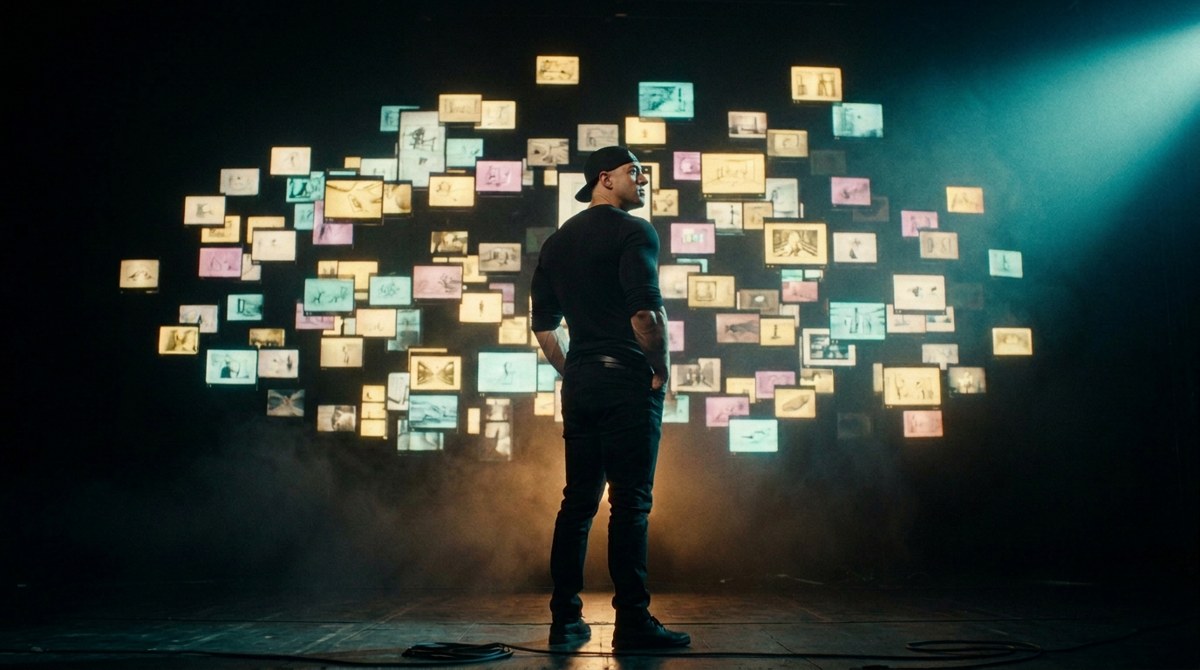
Hi, Pakko here.
Last time I wrote you a six-month letter and it was, honestly, a bit of a victory lap. This one is narrower and more useful. Since then we have shipped a lot, and most of it is plumbing. Five of them are not. Five of them change what you can actually sit down and do this afternoon.
Everything below has been through a live client job. That is still the only test I trust.
Five things worth showing
01 / Layer Lab
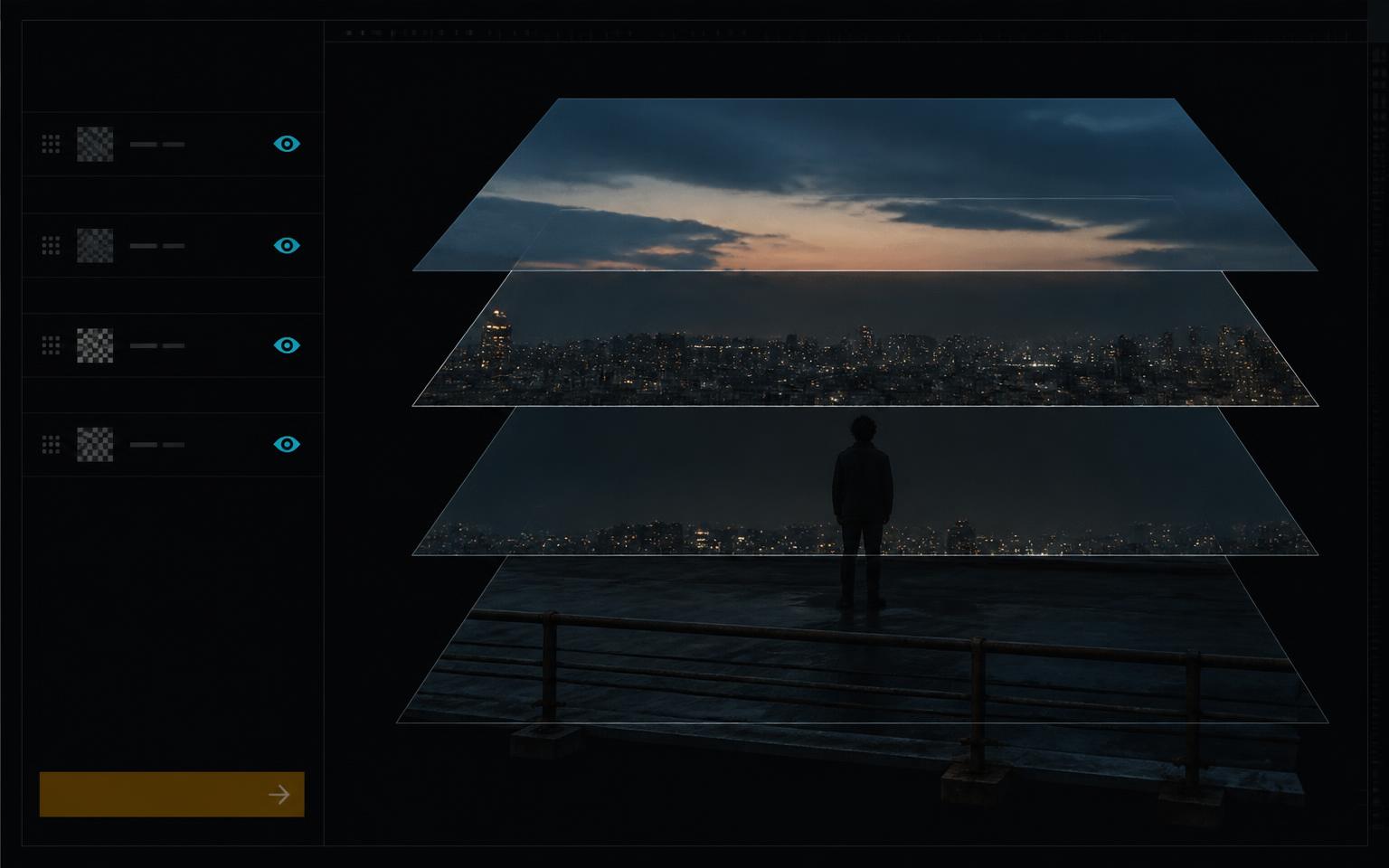
Take a frame apart, change one thing, get a real Photoshop file back.
You have a frame you like and one thing in it is wrong. Until three weeks ago the honest answer was to generate it again and hope, which is how you lose the version everyone already approved. Now the frame splits into named layers: sky, background, subject, foreground, practicals. You pick a layer and describe the change in a sentence. Move a layer and the hole behind it gets repaired instead of left as a grey patch. Grade a layer on its own. Split a layer again if it came back too coarse. Nothing else in the frame moves. When you are done it exports as a real Photoshop file with real folders, mastered up to 8K, and your retoucher opens it and just works.
See it →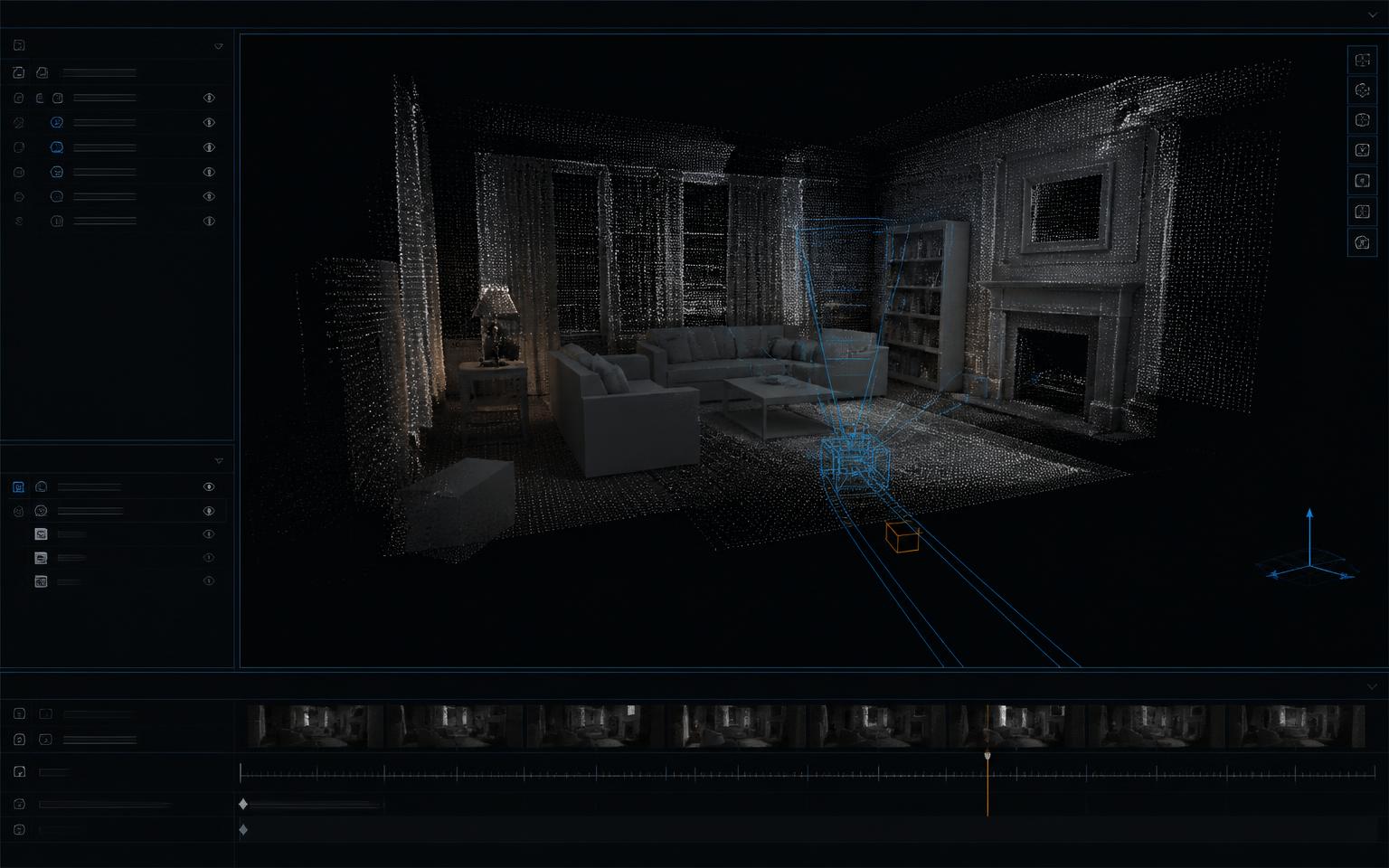
02 / Scene Lift
Walk into your own still and shoot it again from somewhere else.
A frame is flat. A location is not. Scene Lift takes a still you already made and lifts it into navigable 3D: depth becomes actual geometry, the layers you separated become objects, and you can put a camera anywhere in the room. The part that took the longest was Structural Lock, which makes the depth pass a hard constraint rather than a polite suggestion. That is the difference between a parallax trick and a set you can direct in. You move behind the chair and the chair is genuinely in front of you. Then it masters out at 8K, so the new angle is a deliverable and not a preview.
See it →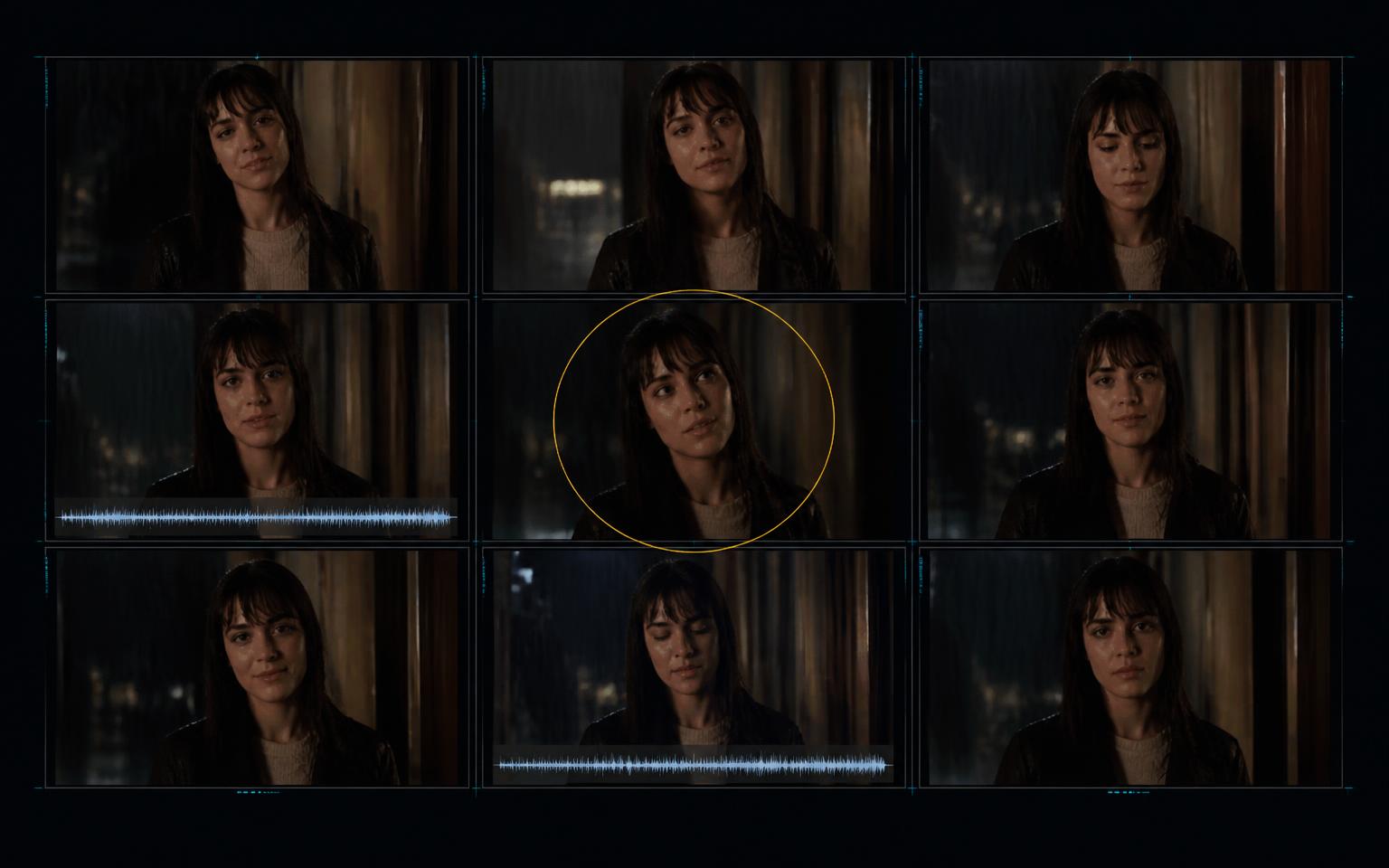
03 / Director
A monitor wall, circled takes, and performances you can finally hear.
Director stopped being a queue and became a room. Takes come back onto a wall, you circle the one you want, and the state of every shot is visible from anywhere in the production instead of buried in a panel. Storyboard now has two roads into it, so a board becomes coverage without a copy and paste. The one people write to me about: dialogue is audible and lip-synced. We had a stretch where a client got a beautiful take of an actress saying the exact line they needed, in silence. That is fixed. And the number on the button is now the number you get charged, on every engine, quoted at the resolution it actually runs at.
See it →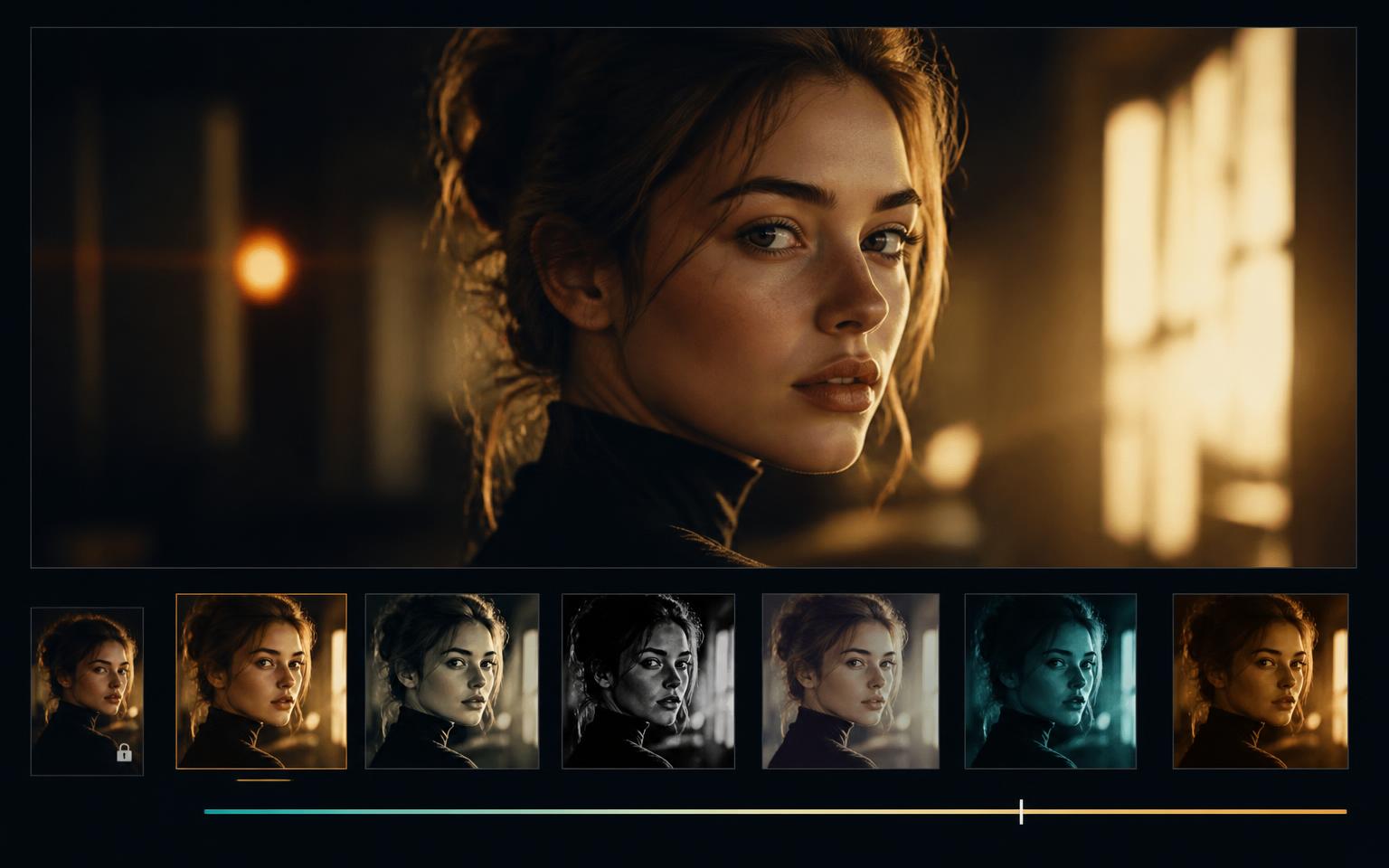
04 / Infinitum
The whole look library on the canvas, and a cast that stays itself.
The Style Rack puts the entire look library inside the composer, visually. Rack six looks against the same frame, pull the strength dial to taste, invent your own without leaving the canvas. You are choosing with your eyes instead of reading a dropdown. Underneath it, the continuity dossier: your locked cast is visible on the canvas and rides on every render, with the reference limit stated plainly instead of quietly dropping the fourth face. Key art fans out like a director laying posters on a table. And the ratio you ask for is the ratio that comes back, on edits too, which sounds small until you have watched a 9:16 board quietly turn square.
See it →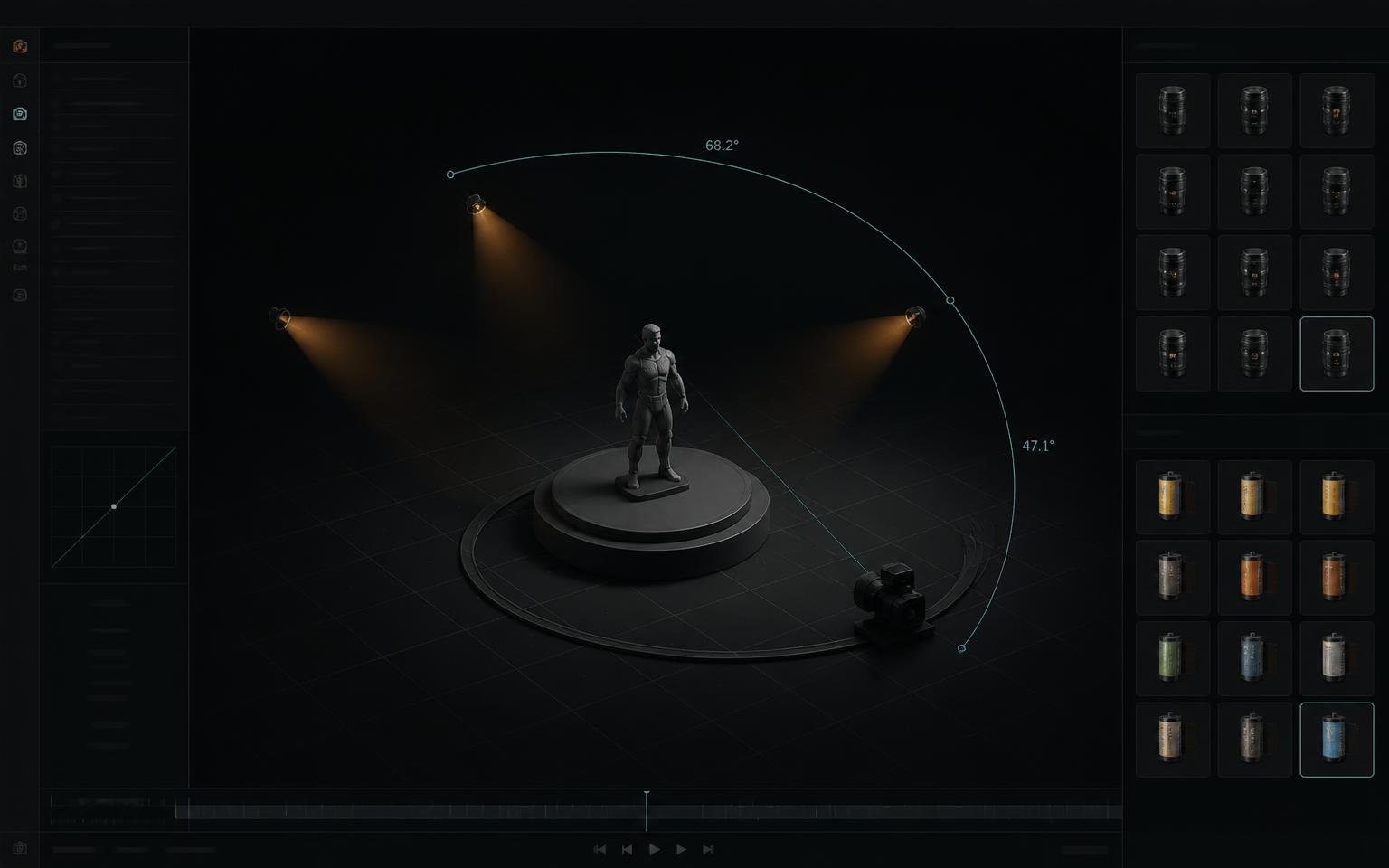
05 / The craft layer
The least glamorous one, and the one I care about most.
We found that 133 of the 195 looks in the library were rendering as the same generic one. Picking a named director and picking a decade produced identical instructions. Nothing failed, nothing warned, and you paid for it. That is fixed, and then some. Every look renders as itself. 53 named camera and lighting moves now set real controls instead of pasting adjectives: a Dutch angle moves the camera, a Rembrandt key moves the light. Camera Rig sends geometry rather than description, so the angle you preview is the angle you get. The strength dial reflects the style you chose instead of sitting at maximum for a look authored as subtle. There is now a permanent check that fails the build if any of that drifts again.
See it →Also in the run
The Script room and the Storyboard wall were both rebuilt, so writing and boarding now look like the rest of the platform instead of two visitors. Recce, coverage planning and dailies landed, which means a production can be scouted, covered and reviewed in one place. Draft mode is in every generating studio for the cheap first pass. The app opens on 142KB less code. Full-screen views got a close control a thumb can actually hit, after I trapped myself in one on a car touchscreen. And we replaced the magic wand icon everyone on the internet uses with our own mark, an iris opening, because an aperture is the thing that decides what reaches the frame and a wand is somebody waving at your work from outside it.
Where this goes
The pattern across all five is the same and it is the thing I want us known for: the control you touch has to be the thing that happens. A look that renders as itself. A price that matches the charge. A ratio that survives an edit. A performance you can hear. None of that demos well. All of it is why a production can be run on this instead of admired.
If any of it is useful to you, write to us and I will open a room and walk you through it live, on your own footage if you want.
Read the full release log
Pakko De La Torre
Founder & Chief Innovations Officer · AIM