Hi, Pakko here.
I am going to allow myself one proud paragraph, because I think we earned it. Six months ago this was a very good visual tool. Today it is a pre-production system with an agent crew running on it, a continuity engine that holds a character across an entire campaign, a motion pipeline that recovers when the world says no, a 3D layer, a script layer, multiplayer, and a resolution ladder that survives a billboard. We shipped that with a small, obsessive team, self-funded from the success of AIM World, and no permission. I have been in this industry for twenty years and I have never watched anything move like this.
And here is the part that still gets me: the reason it moves this fast is that we are not a software company guessing at what filmmakers need. We are a working creative studio, AIM World, that got tired of the friction and started building the tool it wanted, on live client jobs, under real deadlines, with real money at stake. Every feature below has been through a client call. That is a very different kind of software.
6
Studios live
140+
Shipped capabilities
99
Engines orchestrated
17
Cortex agents
154
Backend services
677
Logged releases
Ten things worth showing

01 / Infinitum Studio
An infinite board with an agent crew that actually thinks
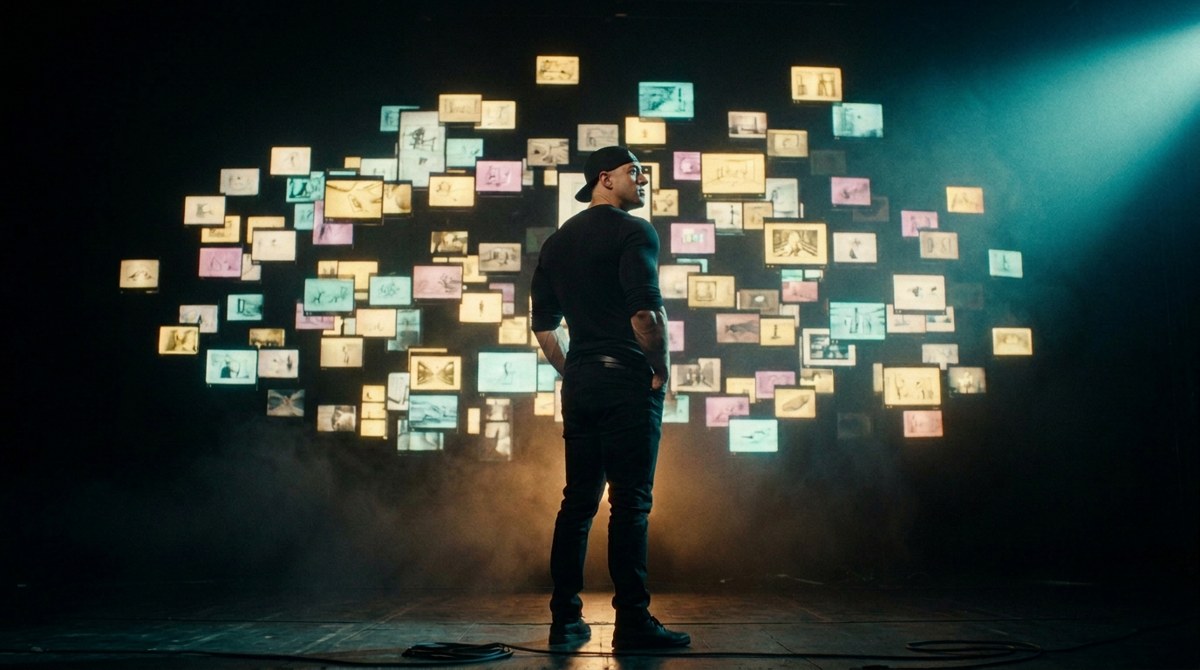
This is the shift I am proudest of. Infinitum is a living canvas where stills, motion, references, music, scripts, decks, and notes coexist, and on top of it runs an agent crew that behaves less like a prompt box and more like a very fast, very literate second unit. Give it a paragraph of intent and it plans the sequence, argues with itself about coverage, holds your locked characters by name, reasons about aspect ratio and lens before it spends a credit, generates, then actually looks at what it made with vision, catches its own continuity misses, reframes the ones that drifted, refuses gracefully when a provider blocks a take, reroutes to another engine, refunds you, and keeps going without asking you to babysit it. It arranges the board while it works, so the canvas stays legible at 400 cards. It remembers the production, not just the last message, and it carries that memory across sessions, collaborators and months.
See it →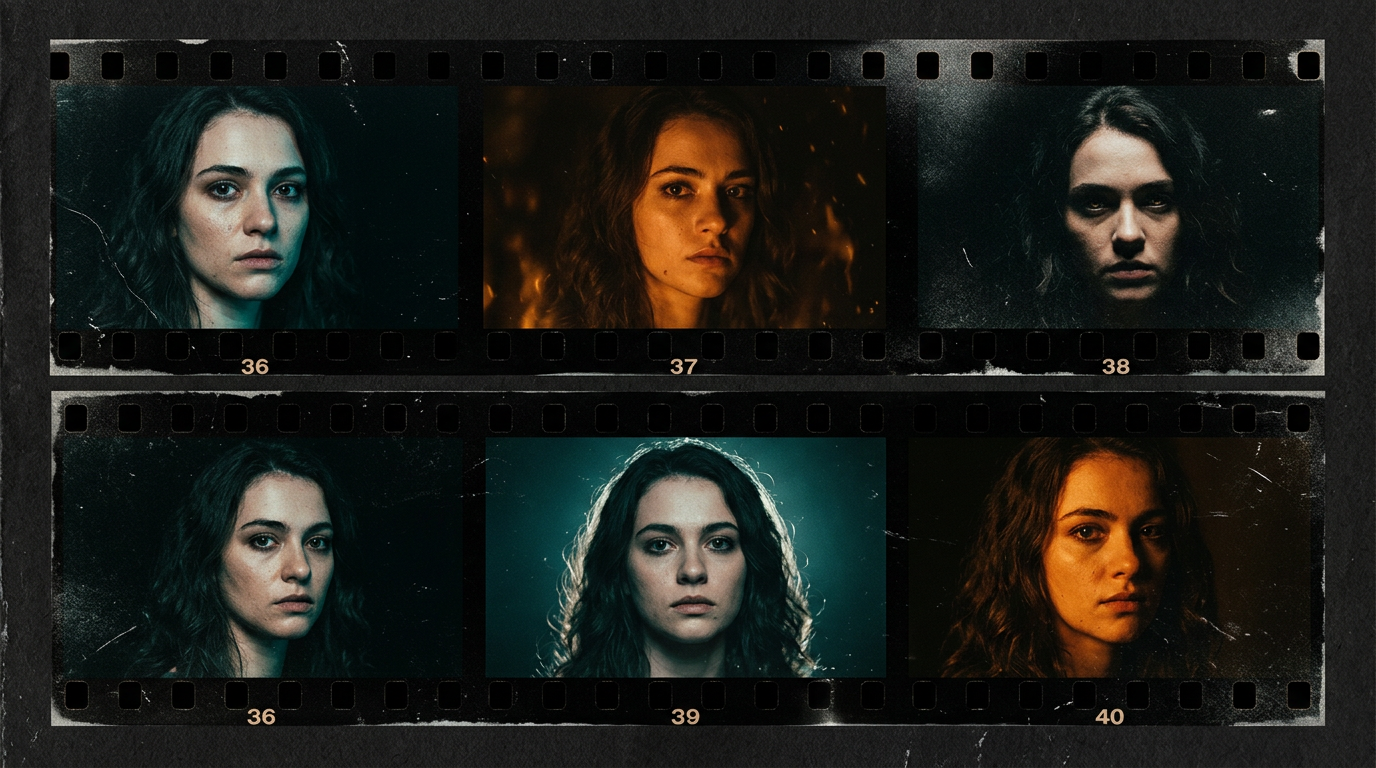
02 / Continuity
Character identity now holds under pressure
We built a continuity system that keeps a face, prop, or environment anchored across angles, styles, sessions, and collaborators. That sounds small until you have to preserve a lead across dozens of shots and motion takes. It changes everything.
See it →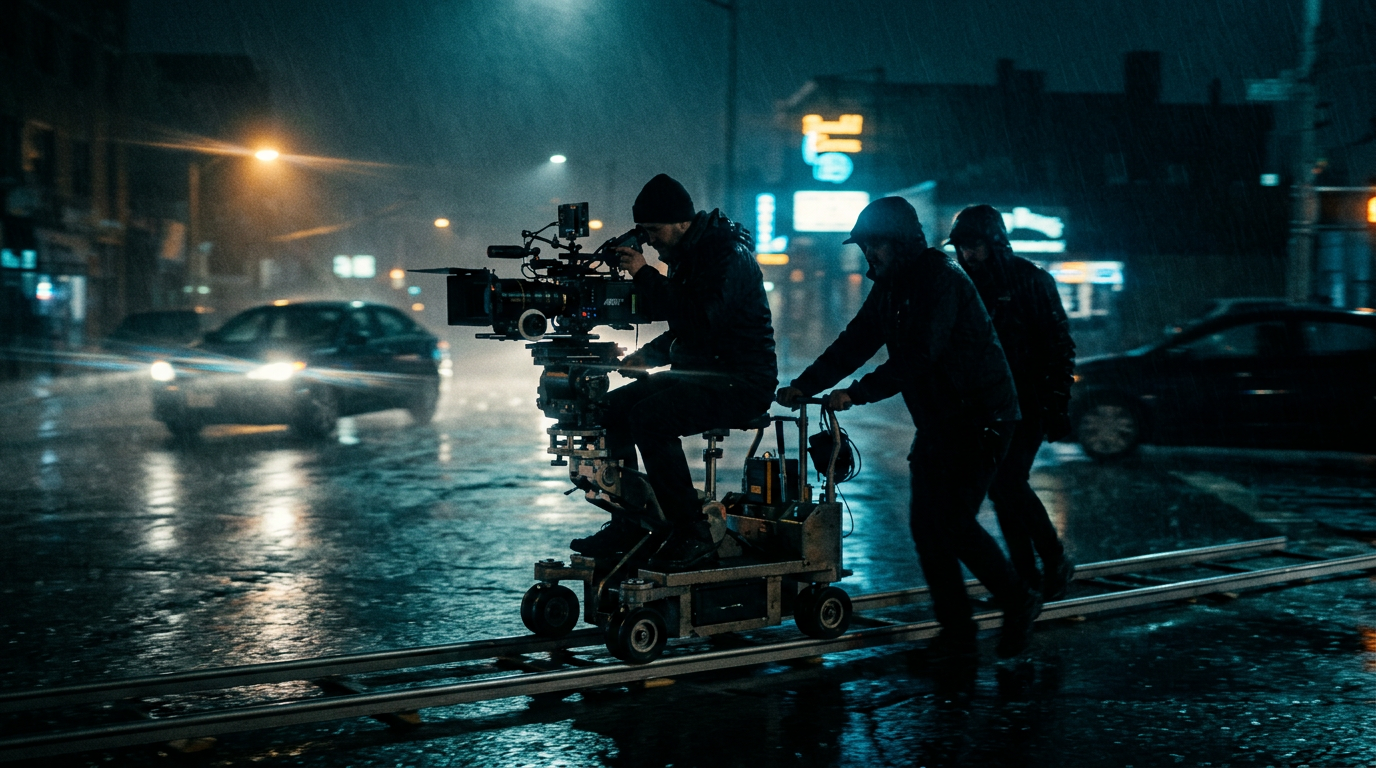
03 / Director
Motion became far more serious
First-and-last-frame animation, reference-driven motion, clip restyling, extension, stitching, scoring, and higher-resolution delivery are now part of one directed flow. Instead of one brittle path, the system can recover, reroute, and keep the take alive when a provider refuses or fails.
See it →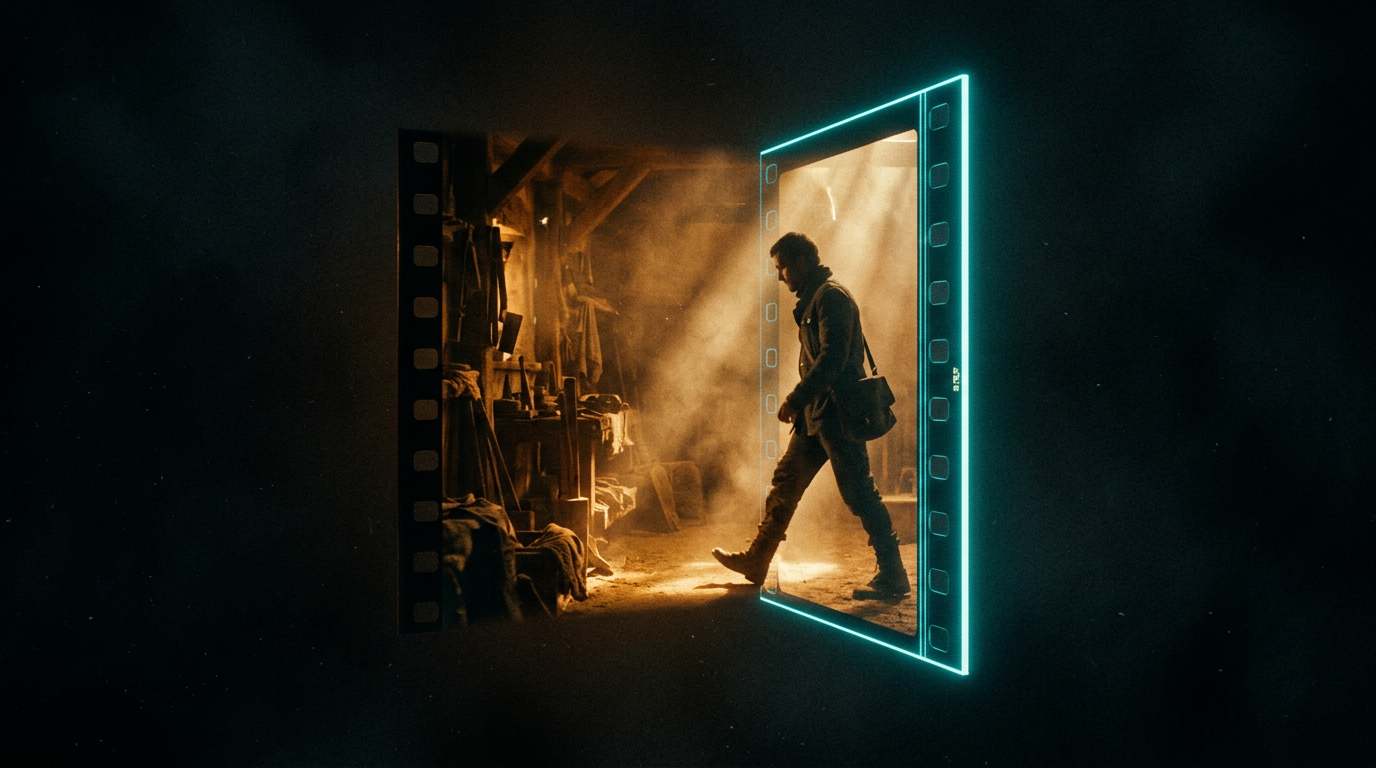
04 / Step-In
You can step into the frame and reshoot the moment
A still is no longer the end of the line. We can treat it like the doorway to a spatial scene, choose a new angle, lens, or height, and reshoot from there while preserving the subject and the dramatic intent of the original frame.
See it →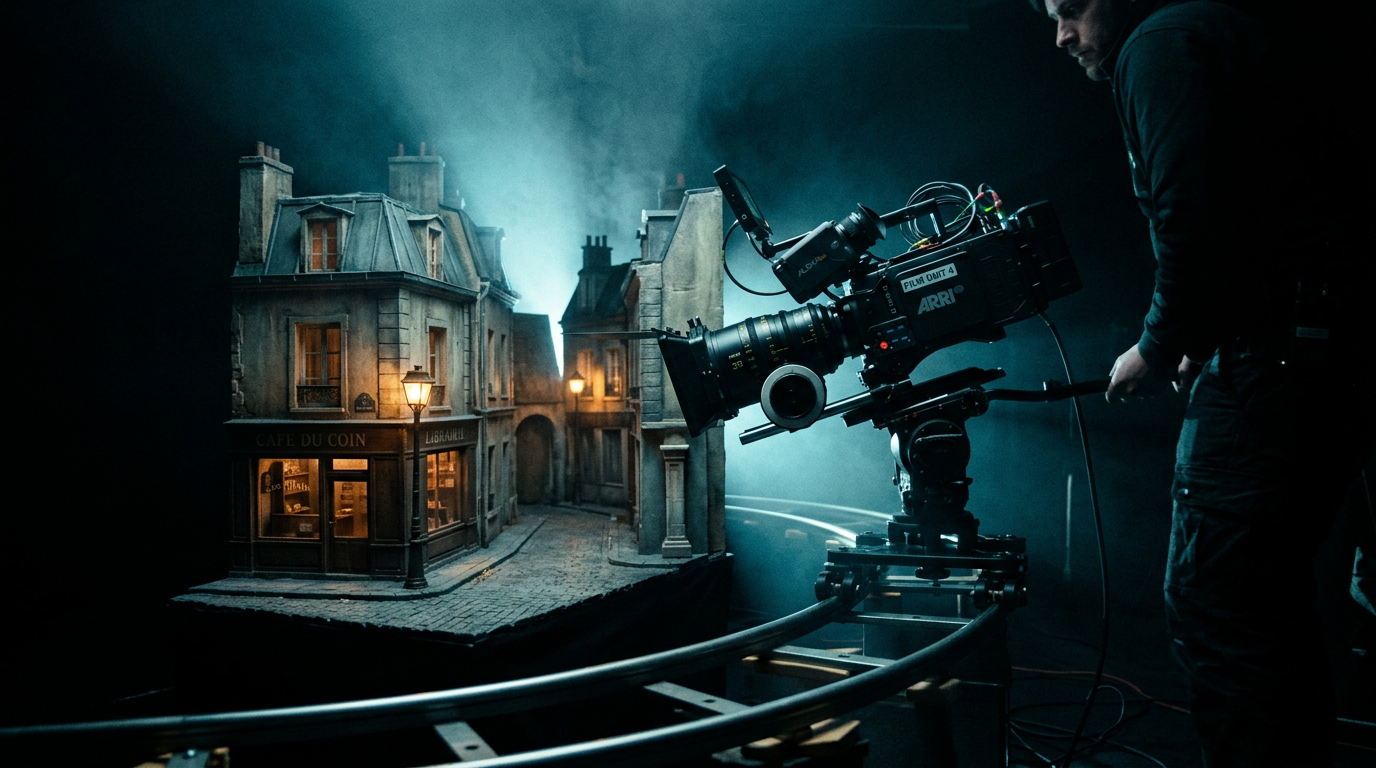
05 / CineForge 3D
Sets can be built, blocked, and shot with intent
We now have deterministic scene-building under the surface: props, layout, environment, and camera movement in a real spatial setup. That gives us something much more useful than random spectacle. It gives us repeatability for directors, designers, and production teams.
See it →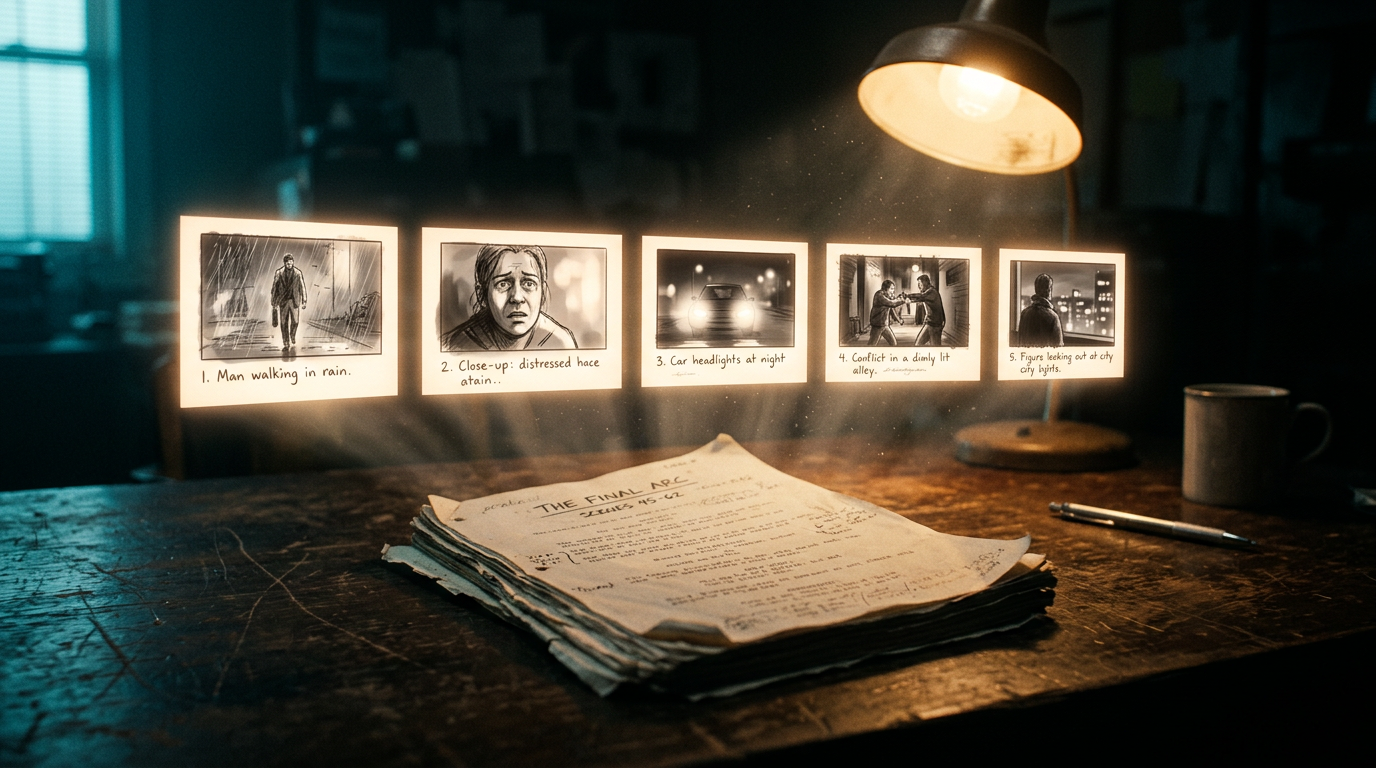
06 / Script to Board
A screenplay can now become a production structure
We tightened the line from script to indexed scenes to boards, coverage, shot numbering, and exports. The important thing is not the parser. It is the collapse of friction between writing, planning, visualization, and downstream production thinking.
See it →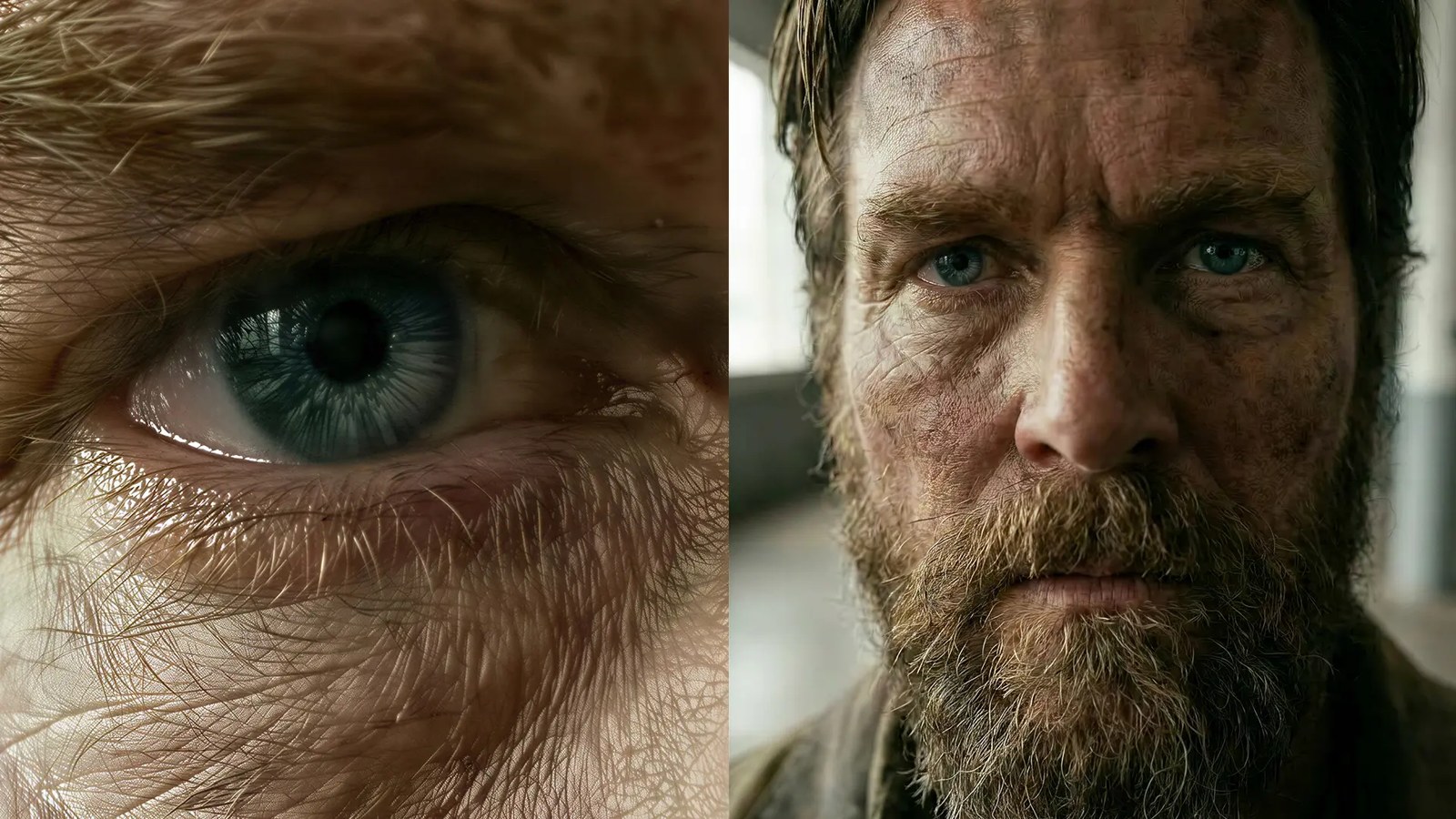
07 / Resolution ladder
Output now climbs to real delivery sizes, studio grade
Stills progress up the ladder cleanly all the way to very large formats, and motion delivery has become much more coherent. This matters for agencies, brand work, print, out-of-home, pitch materials, and for Hollywood studios, where key art and campaign assets get scrutinized at billboard scale before anyone signs off.
See it →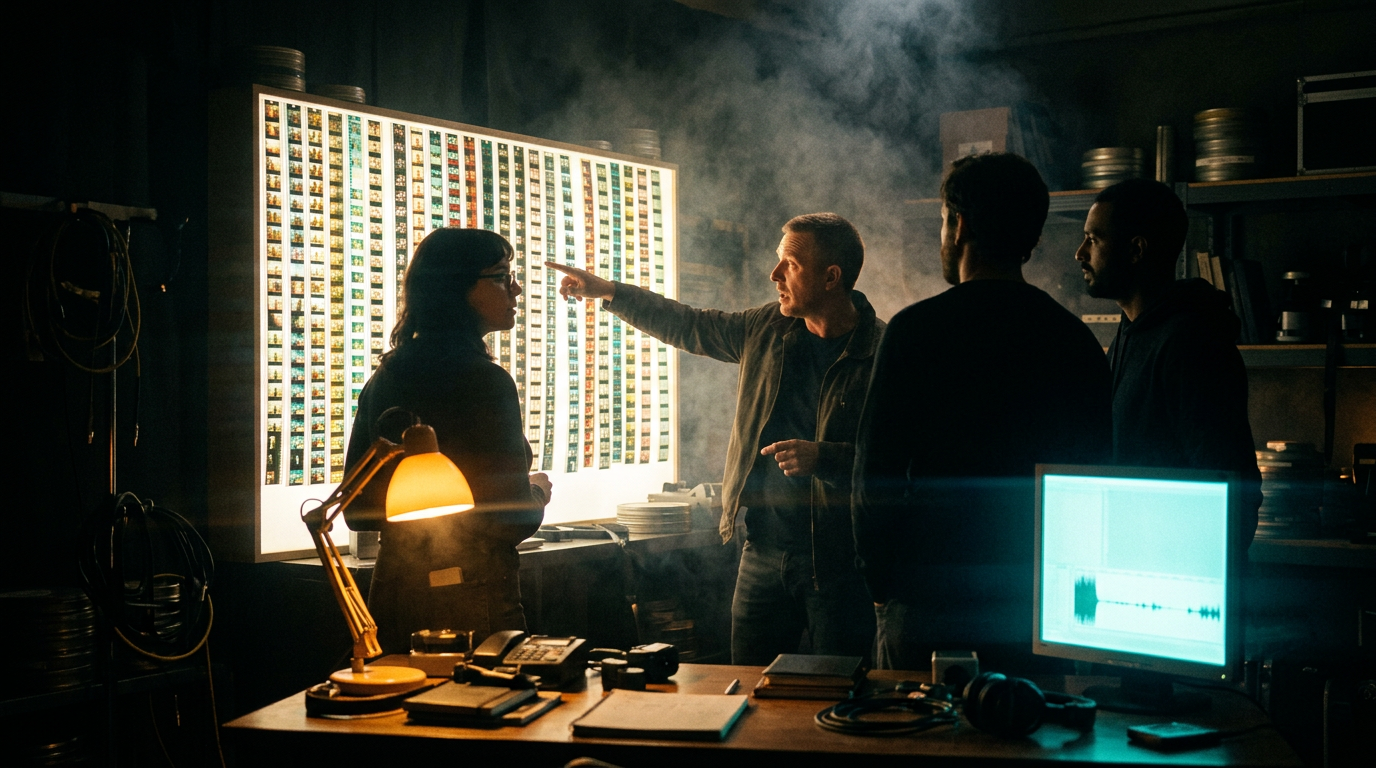
08 / Multiplayer productions
The platform became collaborative by design
Producers, clients, editors, and teammates can now enter the same production with real roles, comments, shares, and presence. Great creative work almost never happens alone, and the software now behaves accordingly.
See it →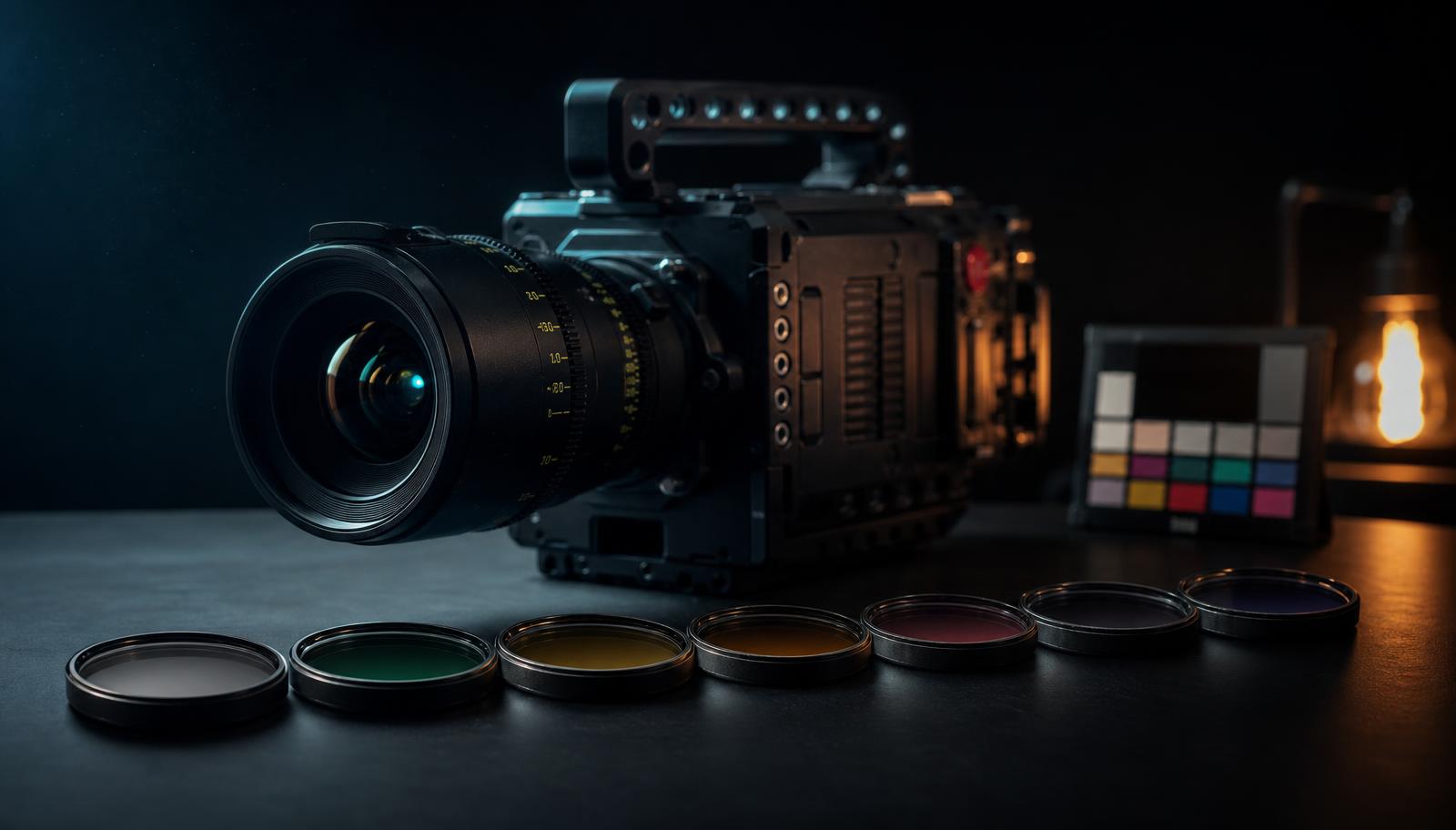
09 / Creative control
The look system got much richer and more professional
Cameras, lenses, film stocks, filters, lighting moods, custom styles, and reference-led direction are now much closer to how actual creative people want to work: less guesswork, less prompt superstition, more authored control over the image.
See it →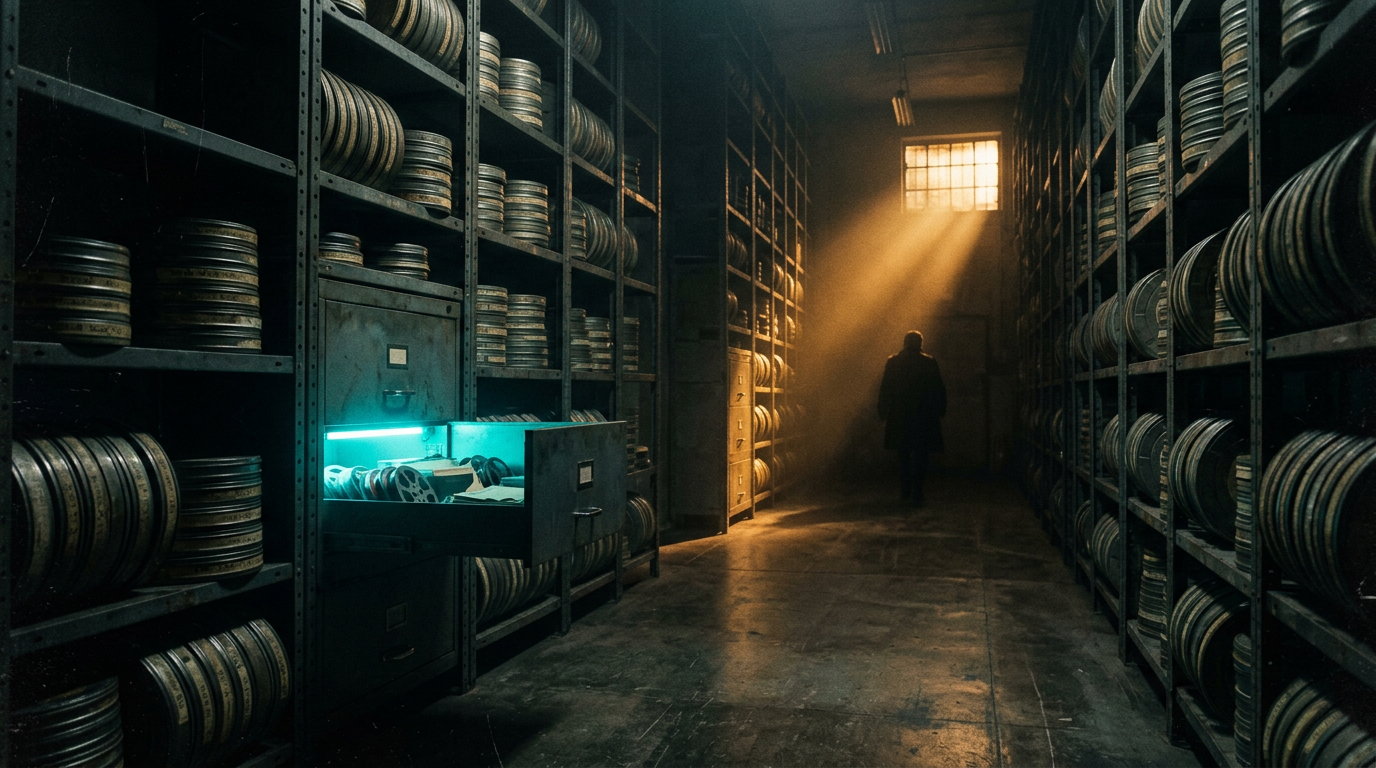
10 / Trust layer
The underlying system became more studio-ready
Routing policy, isolation, safer share behavior, recoverability, and an off-platform continuity backup all matter because powerful creative software is only useful if people can trust it with real work. A serious product earns that trust in the invisible layers too.
See it →Not a demo. Real jobs
Previz has already been on the clock.
This is the unfair advantage. While other platforms look for a first customer, our own studio has been shipping paid campaign work through Previz: brands, entertainment, sport, beauty, retail. The product gets fixed on Monday because it broke on a Friday client call.
Google Gemini
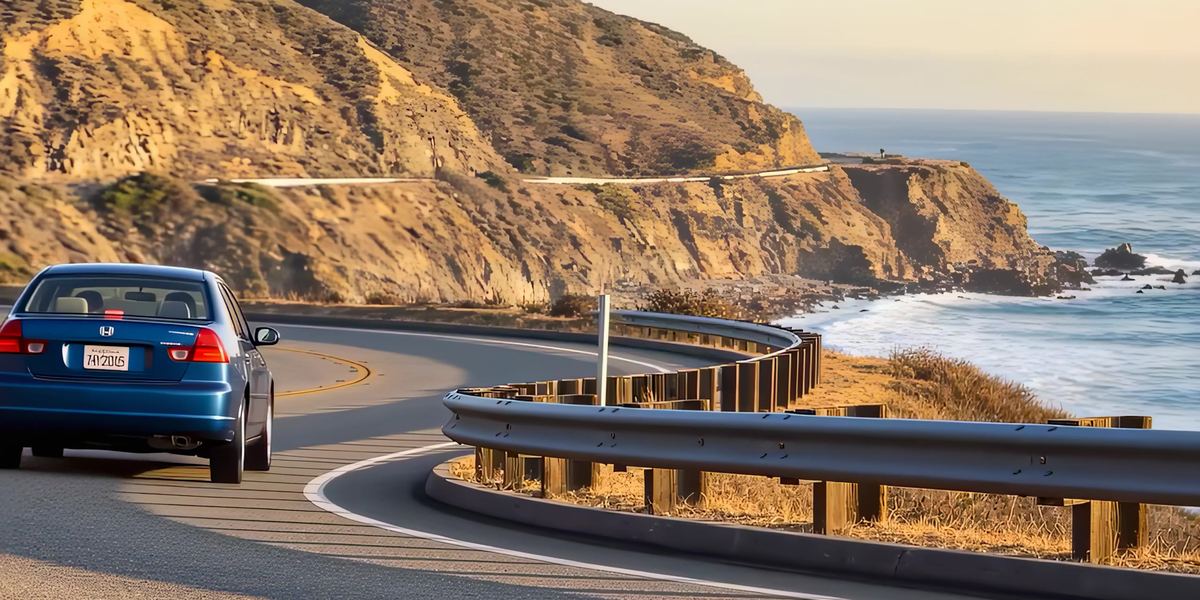
Epic drive campaign: previz boards, look development, and motion tests before a single shoot day.
See the Google case study
Verizon
A social-first campaign system built and iterated in Previz, then finished in post. Tens of millions of views across cutdowns, with the same talent and the same look holding across every version.
See the Verizon case study
Nescafé · Worthy Of
A campaign world of characters and cutdowns, previsualized and continuity-locked so the same faces, product and tone survive every edit and every market.
See the Nescafé case study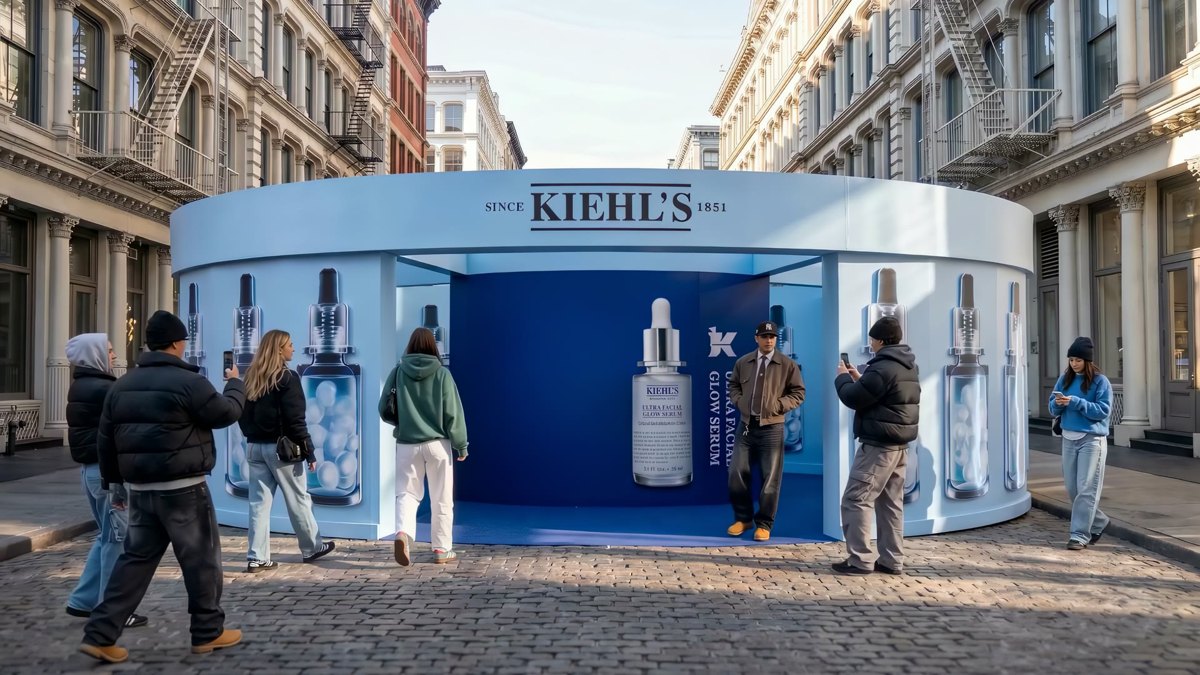
Kiehl’s Since 1851
A worldwide experiential system: pavilions, plazas and apothecary windows, including the Ultra Facial Glow Serum Soho rotunda, resolved entirely in Previz before anything was fabricated. Campaign visualization, continuity of talent and product across cutdowns, client-facing pitch frames, and now built environments.
See the Kiehl’s case studyGOOGLE GEMINI · L’ORÉAL · NESCAFÉ · UNIVERSAL · PARAMOUNT · VERIZON · STARBUCKS · TOYOTA · PEPSI · H&M · ADIDAS · ORACLE · OLD NAVY · MAYBELLINE · KIEHL’S · WESTERN DIGITAL · MG MOTOR · ESPORTS WORLD CUP

The channel that changes our altitude
We are part of ATRBUTE now.
ATRBUTE, the global talent agency founded by Howard Bernstein, the group behind Trunk Archive, Art + Commerce, Bernstein & Andriulli, CLM and GalleryStock, is a shareholder in AIM, a board presence, and our anchor commercial channel.
And this is the part people miss: it is not an arm's-length partnership. Howard is now CEO of AIM as well as founder of ATRBUTE, and Patrick Jones is Chief Creative Officer of AIM as well as ECD of ATRBUTE Labs. Same people, both houses, one plan. They are not introducing us to the industry from the outside. They are running this company with us.
What that actually means: we are no longer knocking on doors. We are inside a roster that represents Platon, plus Marco Grob, Stephen Wilkes, Erwin Olaf, Pari Dukovic, Tristan Eaton, Refik Anadol, GMUNK, Jen Stark, Craig Ward and Clara Bacou.
The work that network touches: Universal, Netflix, Chanel, Calvin Klein, Aesop, Volvo, Bose, YETI, Hamilton, Spanx, Verizon, The Met, Meta × Murakami, Coldplay, Absolut, Tomorrowland, Nescafé. And artists from Jack White to Leon Bridges to Kings of Leon. Those are the rooms Previz now walks into with an introduction instead of a cold email.
Who is behind this
Leadership, board, and believers.
Every person below has real skin in this — equity, board time, or years of building it with us. Nobody here is renting their name to us.

Pakko De La Torre
Founder & Chief Innovations Officer
Architect of the platform and the creative vision. TBWA\Chiat\Day, Ogilvy, Saatchi & Saatchi before AIM. Still writing production code and naming the products.

Francisco De La Torre
Chairman of the Board
Five decades of executive leadership. Procter & Gamble, PepsiCo, Frito-Lay, President of Pepsi Cola Mexicana, built CBS TeleNoticias across 22 countries.
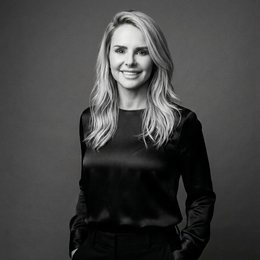
Paloma Dinamarco
Co-Founder & Head of AIM Fashion
25+ years across fashion and retail: H&M, Free People, JC Penney, Lojas Renner. She runs AIM Fashion, the vertical I think becomes our loudest category.
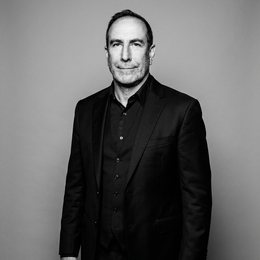
Howard Bernstein
CEO, AIM · Board Advisor · Founder of ATRBUTE
Three decades representing the most ingenious image-makers alive. Founder of ATRBUTE and Great Bowery, the group behind Trunk Archive, Art + Commerce, Bernstein & Andriulli, CLM. Now CEO of AIM, board member and shareholder.
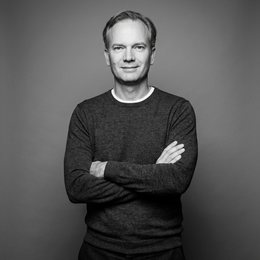
Eddy van der Paardt
CFO & Board Advisor
A career built at the intersection of institutional capital and operating reality: investment banking, private equity and cross-border M&A across Europe and the US, board seats and chairmanships, and years advising founders through 361Firm. Chairman of Five Star Clean Fuels. Board member and investor.

Patrick Jones
Chief Creative Officer, AIM · ECD, ATRBUTE Labs
17+ years of campaigns for Amazon Prime Video, Amazon Games, Champion, Fossil, Eataly. CCO of AIM and part of the ATRBUTE charge into the company. He owns the creative bar.
And the craft bench

Diego Vegue Castell
Founding Partner · VP Marketing & Ghost Influencer
Synthetic talent and agentic IP. Two decades of brand craft across Bank of America, Toyota, T-Mobile, Audible, Nestlé.

Samuel Valdez
Founding Partner · VP Entertainment & Design
AI-native key art for Universal, Paramount and other majors. Ayzenberg, BOND, E/LA. Starbucks and Western Digital campaigns.
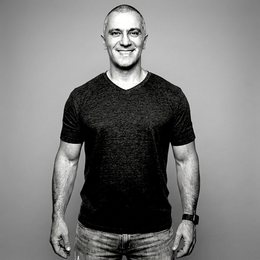
Rodrigo Sotero
Founding Partner · VP VFX & AI Direction
30 years, 700+ advertising projects, Cannes Lions, El Ojo, The One Show, Clio. VFX and color across 50+ music videos with a billion-plus combined views.

The white-glove arm
AIM World has a new home.And a new site.
Go look at it: aimworld.ai. It is not a brochure. It is a working portfolio with live instruments, case studies, and film work you can actually play with. AIM World is the white-glove service arm around Previz: the crew that sits with a director, an agency, or a brand team and takes a campaign from idea to delivery. Los Angeles is our home base, because that is where the directors, the agencies, the studios and the talent are.
Around it sits our global network: directors, producers, VFX artists, designers and editors we work with regularly in New York, Mexico City, São Paulo, Madrid, Dubai, Riyadh and Sydney. Not corporate offices, and I am not going to pretend otherwise. Something better for this kind of work: trusted crew on the ground, in local time zones, in local languages.
Visit aimworld.aiThe part nobody else has
Go LIVE.The portfolio is an instrument.
When I said film work you can actually play with, I meant it literally. Inside aimworld.ai there is a live performance stage we built ourselves: sixty-plus playable instruments and eleven visual decks running in real time in the browser, in WebGL and Web Audio, with no plugins, no downloads and nothing leaving your device.
The instruments are content reactive, which is the part that makes people sit up. They read our own film work frame by frame: colour, brightness, motion, and the clip's own soundtrack become the sound. One machine voices the palette. One hears the motion. One dices the playing clip into a step sequencer where every tile is a piece of the picture. Drop in your own footage and the instrument re-tunes itself to your footage instead of ours.
Then you hit Go LIVE and it becomes a stage: full screen, a real mix console with channel strips, patch cables between machines so one can sidechain another, and visual decks that ride the master analyser so the kick punches the zoom and the bassline heaves the geometry. It is a VJ rig and a studio portfolio at the same time.
As far as we know, no other production studio has turned its own reel into a playable, performable instrument in the browser. We think that is a first, and it is live right now.
It is not a gimmick either. It is the same instinct that drives Previz: creative tools should be played, not filled out. Brands and artists have already asked us to build custom versions of this for launches and live events, which tells me the idea travels well beyond our own site.
Go LIVE at aimworld.ai/performHow we grew underneath it
Community
A few hundred ecosystem testers have put real production pressure on the platform so far, and the big one has not even started yet. The 8,000-creator, 32-country network is queued and about to begin onboarding.
Platform
From a much narrower tool to a multi-studio system with 154 backend services, deeper orchestration, queue hardening, collaborator support, and continuity resilience designed for serious production use.
Orchestration layer
Under everything sits a routing brain: 99 generation engines described as capabilities rather than brand names, chosen per shot on quality, cost, speed and permission. If one refuses or fails, the work reroutes, the credits come back, and the take survives.
Compliance layer, per client and per region
The same routing brain enforces policy. A production can be scoped so only approved engines, approved regions and approved data terms are ever used, with organization rules that a project can narrow but never widen. Global reach, local rules, per job.
Security and studio readiness
Tenant isolation at the database level, scoped share links, zero-training and zero-retention vendor terms, audited routing, encrypted storage, off-platform continuity backups, incident response and a written secure development policy.
Creative scope
The system now reaches further across the campaign lifecycle: boards, motion, style exploration, continuity, upscaling, editing, collaboration, and early-stage 3D production planning inside one connected environment.
One more thing, and I mean it
A lot of people showed up in the early days of AIM. Some are still here. Some drifted off to other seasons of their lives. I want to say this without a shred of sarcasm: thank you. Genuinely. Those early conversations, sketches, arguments and late nights are baked into what this became.
And the door is wide open. It always will be.
This thing is bigger than any one roster. Every month there is more surface area than people to cover it: new verticals, new studios, new markets, new crafts we have not even named yet. The ceiling on this is not a fixed number of seats. It is how many great people we can point at the same horizon.
Where I think this goes
Now the genuinely insane part.
Productions that direct themselves overnight. You describe a campaign before bed. You wake up to a full board, alternate coverage, three tonal directions, a scored animatic, a cost estimate, a shoot plan, and an agent note explaining which choices it made and why. Then a second agent critiques it, a third costs it, and they argue until the work is better than what any of them would have handed you alone.
A creative memory that never forgets your world. Characters, wardrobe, props, locations, brand rules, the client's three sacred no-gos, persistent across every project, every collaborator, every year. Ask for the same hero, five years older, in the Tokyo location, in winter, and get it.
Live Director, the one I am most impatient about. We are building the world's first live directing module: a real-time seat where you talk to the frame and the frame answers. Say push in, warmer, lose the second actor, hold on her hands, and watch it happen while you speak. The module already exists inside Director Studio and is switched off on purpose while the real-time layer underneath it matures.
Fashion, beauty, and jewelry are going to be the loud ones. Digital-twin models with locked identity and locked garment behavior. A collection uploaded as flats and returned as a full campaign: editorial, e-comm on every body type, runway motion, lookbook, out-of-home, social cutdowns, in a day, in every market, with the same face and the same seam. The same engine reaches straight into beauty and jewelry, where the whole category lives or dies on the macro shot: a lipstick bullet, a serum texture, a foundation matched to every skin tone in the range, a diamond turning under studio light with correct facets, fire, and metal, a watch dial that holds up at poster scale. Those are the most expensive frames per second in advertising, reshot every season, in every market, for every SKU. We can produce them on-model and on-brand in a day. Paloma is building that vertical right now and it terrifies me in the best way.
Then it gets weird, in the good way. Live actors stepping into fully generated worlds with correct light. Interactive films that recut themselves per viewer. Brand universes that generate their own consistent content forever, on-model, on-message, in every market at once. A studio that never sleeps, never forgets, and never loses the face of your lead.
I do not know exactly which of these lands first. I know we have shipped 677 releases in six months, that the hard architectural bets, continuity, orchestration, memory and recovery, are already made, and that those are precisely the ones nobody can shortcut later. The demos are easy. The spine is not, and we built the spine first.
If any of this is useful to you, as a creator, a studio, an agency, or a partner, I would love to show you around. Write to us and I will personally open a room and walk you through any part of it, live, on your own footage if you want.
Read the full release log
Pakko De La Torre
Founder & Chief Innovations Officer · AIM